


Which Level of Executive Support Is Right for You?
Find the right executive support structure for your business in just two minutes.
Start the Free AssessmentAre you drowning in administrative tasks and struggling to find enough hours in the day? You might be considering bringing on some support, but figuring out exactly what kind of help you need can be confusing.
Executive assistants and personal assistants both offer valuable support, but they serve different needs and come with their own sets of pros and cons.
TL;DR – Executive Assistant vs. Personal Assistant
Both executive assistants and personal assistants can save you time and reduce your workload, but they focus on different aspects of your life and business.
Here’s a quick comparison:
| Executive Assistant | Personal Assistant |
| An executive assistant is a high-level business partner who manages administrative duties, communications, and projects to give executives more time to focus on strategic business priorities. | A personal assistant focuses on managing your personal life and household tasks, freeing up your time and mental energy for work and leisure. |
| Pros | Pros |
| Understands the business environment Has poise and represents you, your business, and office at a high level Can act as and serve as a personal assistant as well (with clear alignment) Business acumen and professional representation Strategic partnership capabilities | Takes things off your plate on a personal aspect Gives you more time and focus for your business role Helps you gain back time with your family Manages household responsibilities Creates a better work-life balance |
| Cons | Cons |
| Higher cost Some EAs don’t want to do personal work Need for clear alignment on role expectations Different skill set than personal assistants | Can be expensive, especially if in-house Estate management and childcare can add significant expense May not progress to handling business matters as hoped Often a different archetype of person than executive assistants |
| Best For | Best For |
| Business owners, entrepreneurs, and executives who need high-level support for business operations and communications. | High-net-worth individuals, busy professionals, and executives seeking help managing personal responsibilities to free up time for work and family. |
If you’re looking for top-tier remote executive assistant support, ProAssisting offers experienced professionals who can handle both business and personal needs.
Our unique 3:1 executive-to-assistant ratio provides the perfect balance of availability, affordability, and expertise for busy professionals.
Schedule a time to discuss your professional needs with our co-founder, Ethan Bull!

Why One Size Doesn’t Fit All in Assistant Hiring
Executives rarely face the same balance of professional and personal demands. This means the standardized EA or PA roles rarely meet the executive’s support needs. Other aspects, such as differences in working style, business models, and culture fit, also influence the type and level of support principals need for their performance multipliers.
Hiring the right assistant requires accounting for the following variables:
The EA/PA Distinction Is a Spectrum
Traditional assistant roles were binary, with EAs and PAs undertaking business-only and life-only roles, respectively. However, modern assistant roles require both EA and PA skills to ensure executives receive the support they need, when they need it.
This is why at ProAssisting, we make it possible for principals to utilize ⅓, ½, or ⅔ of an EA’s capacity if they don’t need full-time support.
Professional vs. Personal Complexity
The EA/PA balance depends on how streamlined your professional and personal life is. For example, even as a CEO, you might only need an executive assistant if you’re unmarried and don’t have any complex family structure.
On the other hand, a CEO of a similar-sized company might need a PA in addition to their EA if they have a family with kids attending different schools, ailing parents who need home care, and other philanthropic commitments.

Work Context
As a startup founder or entrepreneur, you almost certainly need strong executive assistant capabilities, as you are busy meeting potential investors, clients, and vendors. As such, you need an EA to manage your calendars and emails, coordinate projects, and prepare meeting briefs.
In contrast, as an executive in a portfolio-style role, you likely have systems in place, so even a part-time executive assistant might be enough to support you.
Delegation Comfort
Some executives are natural delegators or have prior experience partnering with an executive assistant, making them more likely to hire one. They rely on executive assistant performance reviews to communicate what they like/don’t like until their EAs can function as their extensions.
Conversely, principals who want to control every aspect of their business may end up only hiring a PA to manage their personal commitments.
Career Trajectory
Your current life stage also influences how you hire assistants and the level of support you need. As an executive in your 30s or 40s, you are likely on a high-growth career trajectory and may require 70% EA and 30% PA support.
In contrast, an 80-year-old company president might only need ⅓ of an EA’s capacity and a PA, or ⅔ of an EA doubling as their chief of staff and personal assistant.
So how do you strike a balance?
At ProAssisting, we understand that as an executive, you have unique support needs. We train our ProAssistants to adapt to the principal, which enables them to personalize their support. Additionally, you can utilize ⅓, ½, or ⅔ of an EA’s capacity for 50-80% less than the cost of hiring an in-office assistant.
Get personalized assistant support. Schedule a call today.
What is an Executive Assistant?
An executive assistant is a high-level professional who provides administrative support to executives, CEOs, board members, and business owners.
Unlike a traditional administrative assistant, an executive assistant often serves as a strategic partner to the executive they support.
The role of an executive assistant has pivoted from the secretarial positions of the past. Today’s executive assistants are trusted allies who enable you to focus on high-value objectives by handling a wide range of administrative and sometimes strategic responsibilities.
This elevated role is reflected in their compensation. In the United States, executive assistants earn an average annual salary of approximately $67,162, which can go up to $150,000 per year depending on experience and job scope.
It is significantly higher than that of administrative assistants, virtual assistants, or receptionists.
What Does an Executive Assistant Do?
What does an executive assistant do at a very high level? An executive assistant gives time back to the principal.
They do that by leveraging the five performance multipliers that we outline in our book:
- Business Partner: Executive assistants often provide input on business decisions, attend meetings on behalf of the executive, and represent the company professionally.
- Chief of Staff: They serve as a single point of contact, filtering communications and coordinating with key stakeholders both inside and outside the organization.
- Project Manager: EAs frequently oversee projects, events, and initiatives, ensuring all details are handled properly and deadlines are met.
- Assistant/Scheduler: They manage calendars, coordinate meetings, book travel, and handle email correspondence.
- Personal Assistant: Many executive assistants also handle personal tasks for their executives, from booking dinner reservations to managing personal appointments.
EAs usually take on tasks that don’t require the executive’s direct involvement. This allows the executive to focus on strategic initiatives, revenue-generating activities, and high-level decision-making.

Executive Assistant Skills
A great executive assistant possesses both hard skills (technical abilities) and soft skills (interpersonal capabilities).
The ideal ratio of executive assistant skills is about 51% soft skills to 49% hard skills.
Hard Skills:
- Proficiency with technology programs such as email, contacts, and calendar management
- Experience with HRM and project management software
- Knowledge of expense reporting and travel booking systems
- Understanding of online marketing tools
- Strong organizational capabilities
Soft Skills:
- A high level of emotional intelligence (EQ) that informs all other soft skills
- Presentable appearance and professional poise
- Interpersonal skills to interact effectively with everyone from top investors to maintenance staff
- Ability to represent the principal at a very high level in all situations
- Adaptability to interface with different people across various contexts
- Discretion and confidentiality when handling sensitive information
What sets exceptional executive assistants apart is their ability to seamlessly interact with people at all levels—from the most important investor or client to the chairman of the board, all the way down to the gardener who cuts the grass at home.
They represent their principal consistently across this entire range of interactions, maintaining the same high standards regardless of who they’re dealing with.

How to Hire an Executive Assistant
When you hire an executive assistant, look beyond the resume to find someone who can truly represent you and your business professionally:
- Define Your Needs: Determine what specific tasks and responsibilities you need help with before starting your search.
- Look for Relevant Experience: Seek candidates with experience supporting executives at a similar level or in a similar industry.
- Assess Communication Skills: During interviews, evaluate how candidates express themselves both verbally and in writing.
- Check References: Speak with previous employers to understand the candidate’s work style and reliability.
- Consider Cultural Fit: Find someone whose personality and work style complement your own.
- Trust Your Instincts: Your executive assistant will become a close partner, so trust your gut feeling about whether you can work well together.
Remember, the best executive assistants often have proven experience in the role and demonstrate a genuine passion for supporting others’ success.
Consider contacting an executive assistant outsourcing company like ProAssisting to avoid the hiring headaches!

What is a Personal Assistant?
A personal assistant primarily focuses on managing an individual’s personal affairs and tasks. While they may occasionally handle work-related matters, their main focus is on helping with personal responsibilities and household management.
Personal assistants often work out of a client’s home or accompany them during travel and daily activities. They’re the go-to person for handling life’s details so you can focus on your priorities, whether those are professional or simply enjoying more free time.
What Does a Personal Assistant Do?
Personal assistant tasks typically revolve around managing daily personal responsibilities:
- Running errands (picking up dry cleaning, groceries, prescriptions)
- Managing household affairs and scheduling home maintenance
- Coordinating personal travel and vacations
- Handling personal correspondence and calls
- Managing personal calendar and appointments
- Organizing family schedules and children’s activities
- Shopping for gifts, clothing, or household items
- Planning personal events and parties
- Booking restaurant reservations
- Coordinating with household staff (cleaners, nannies, etc.)
A personal assistant’s primary goal is to ensure your personal life runs smoothly, freeing you to focus on your career or simply enjoy more leisure time.
Note: An executive assistant can also handle these responsibilities simultaneously if you empower your executive assistant as a personal assistant!
Personal Assistant Skills
The skills that make a great personal assistant include:
- Dependability and reliability
- Strong organizational capabilities
- Attention to detail
- Discretion and confidentiality
- Flexibility and adaptability
- Problem-solving abilities
- Interpersonal skills
- Knowledge of household management
When hiring a personal assistant, you want someone who truly gets to know your rhythms—understanding when you prefer to handle certain tasks and when you need support.
The best personal assistants understand their role in your life and how they integrate into your family structure, providing seamless support that aligns with your lifestyle and preferences.

How to Hire a Personal Assistant
The process for hiring a personal assistant differs slightly from hiring an executive assistant:
- Look in Major Metropolitan Areas: Personal assistants tend to be concentrated in larger cities.
- Consider Using a Recruiting Service: Many personal assistants are found through specialized recruiting agencies that understand the unique requirements of the role.
- Focus on Your Network: Personal recommendations can be invaluable when finding someone you’ll trust with your home and personal matters.
- Define Scope and Availability: Clarify whether you need full-time help or part-time assistance with specific tasks.
- Check References Thoroughly: Since this person will have access to your personal information and possibly your home, thorough vetting is essential.
- Discuss Boundaries: Be clear about expectations regarding privacy and types of tasks.
It’s often easier to hire an executive assistant, given the larger number of people working in that role. This is why many people turn to recruiting services or their personal networks when seeking a personal assistant.
How Much Does a Personal Assistant Cost?
The cost of a personal assistant varies based on several factors:
- Level of Support You Want: More comprehensive support commands higher compensation
- Additional Perks: Whether you’ll be providing them with a vehicle or other benefits
- Involvement in Your Life: How deeply integrated they’ll be in managing your personal affairs
- Location: Assistants in major metropolitan areas typically earn more
- Experience Level: More experienced assistants command higher salaries
- Hours and Availability: Full-time assistants cost more than part-time help
In the United States, personal assistants earn an annual salary ranging from around $29,000 to $68,000. The average salary is $35,360 per year or $17 per hour.
Though this can be significantly higher for those working with high-net-worth individuals or celebrities.
When hiring a personal assistant, it’s important to consider the total compensation package, including any benefits or perks you’ll provide beyond the base salary.

Difference Between Executive Assistant and Personal Assistant
There’s some overlap between these roles. Understanding the key differences will help you determine which type of assistant best suits your needs:
| Aspect | Executive Assistant | Personal Assistant |
| Primary Focus | Giving the executive time back by managing business responsibilities and communications | Making sure personal life runs smoothly by handling household and personal tasks |
| Responsibilities | Falls under the five performance multipliers: business partner, chief of staff, project manager, assistant/scheduler, and personal assistant | Focuses mainly on personal tasks (outside of business function), errands, household management, and personal scheduling |
| Decision-Making | Usually has a higher level of decision-making autonomy and authority | Typically has limited decision-making authority |
| Ideal for | Business leaders, entrepreneurs, and executives (very early on in their career trajectory) who need support with business operations and communications | High-net-worth or ultra-high-net-worth individuals and busy professionals who need help managing their personal lives |
Need both business and personal support?
Many executives find themselves needing both types of assistance, but don’t want to manage multiple people. ProAssisting offers a unique solution with our elite executive assistants who can handle both business and personal responsibilities.
Our ProAssistants have a minimum of 5 years of experience working with high-level executives at global companies (J.Crew, Fidelity, Oracle, NBC Sports, Target, and more).
With a fixed monthly retainer starting at $3,000, you get premium support for 50-80% less than hiring an in-house assistant.
Schedule a free consultation to see if ProAssisting is the right fit for your needs.
Similarities and Differences
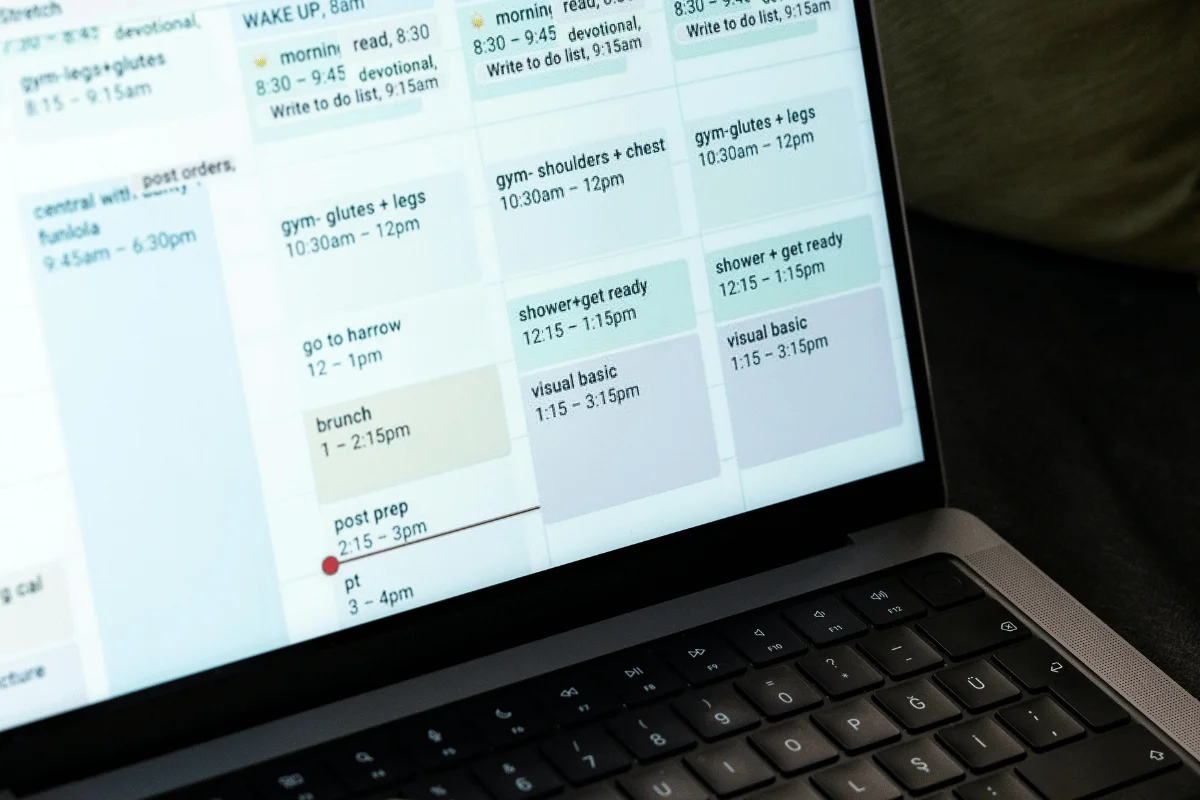
While executive assistants and personal assistants have distinct roles, there are both important overlaps and differences between them.
Understanding these distinctions can help you determine whether you need a personal executive assistant in the US or if one type of role would better suit your specific situation:
Personal Assistant and Executive Assistant Similarities
Executive assistants and personal assistants share several key similarities:
- Ultimate Goal: Both aim to make the principal’s life easier and give them back time.
- Communication Skills: Both need excellent communication and interpersonal skills to be effective.
- Discretion and Confidentiality: Both roles require handling sensitive information with absolute discretion.
- Organization and Time Management: Both must be highly organized and efficient with time management.
Personal Assistant and Executive Assistant Differences
The key differences between these roles include:
- Business Acumen: Executive assistants typically have stronger business knowledge and experience than personal assistants.
- Representation: Executive assistants often represent their principals in business situations, while personal assistants rarely do.
- Scope of Work: Executive assistants primarily focus on business matters (with some personal tasks), while personal assistants focus almost exclusively on personal matters.
- Work Environment: Executive assistants typically work in an office setting, while personal assistants often work from their principal’s home or accompany them throughout the day.
- Career Path: Executive assistants often have more opportunities for career advancement within an organization compared to personal assistants.

How Assistant Roles Evolve as Your Business Grows
As your business grows, it is only natural that the office tasks will increase exponentially. You will likely receive more emails, or you may need to meet twice as many clients and vendors as you did just six months ago.
This increased workload results in extended office hours while reducing your personal time for rest.
At this point, the most logical step is to encourage your assistant(s) to take on more roles. For example, while you had no problem managing your email, you may need an assistant to get your email inbox under control.
Other ways your assistants’ role must evolve to meet your support needs include:
- EA Support Naturally Incorporates PA Elements: Initially, your executive assistant supports your strategic goals by focusing on tasks such as scheduling, calendar management, and email management.
Evolution: However, as the principal-assistant partnership grows stronger, your EA starts handling tasks related to your personal life, such as renewing your gym subscription or even planning a family vacation.
- Scope Expansion: As your business scales, you’re pulled in exponentially more directions. For example, as a startup founder, you get to a point where you attend funding rounds and meet more stakeholders.
Evolution: Naturally, your EA must step into additional roles, such as representing you in meetings or serving as your point of contact.
- Understanding the Principal’s Personal Context: As an EA gains strategic impact, they need to understand their principal’s personal realities to better support them. For example, they need to know when you’re dealing with a sick parent, going through a divorce, or training for a marathon, as these personal issues influence your energy levels and decision-making capacity.
Evolution: This may gradually lead your EA to take on more personal assistant responsibilities, making the PA role obsolete.
- Explicit Renegotiation of the EA/PA Boundaries: A common mistake executives make is allowing their PAs to drift into a hybrid EA/PA role. Your PA starts handling strategic impact roles, such as business email correspondence and preparing your stakeholder meeting briefs. Unfortunately, this can introduce more inefficiencies into your workflows if you have to double-check all the EA tasks your PA undertakes.
Evolution: At this point, consider onboarding an executive assistant to take up these administrative roles.

Where to Set Boundaries Between Executive and Personal Support
Understanding that one-size-fits-all doesn’t apply to assistant hiring is only the first step. The next step should be to demarcate where executive support ends and personal assistance begins, and to find a balance between the two, if at all possible.
However, we must mention that the goal isn’t to set rigid boundaries between EA and PA support, but rather to manage expectations and avoid scope creep.
As an executive, you can maintain a clear distinction between executive and personal support in the following ways:
- Based on Explicit Roles: Begin the conversation about the assistant’s roles and responsibilities when preparing the job posting, and not after hiring. If you only need someone to handle your personal commitments, you might consider hiring a PA. However, if you expect the assistant also to help manage your work-related administrative tasks, you’d be better off with an EA.
- Identify Personal Tasks That Support Professional Performance: Some personal tasks help the executive perform optimally, making them crucial to the company’s overall performance. These are often placed under the EA, who can leverage their executive assistant superpowers to know when personal issues affect the executive’s performance and find ways to neutralize them.
- Test for Boundary Clarity: Ask, “Would I ask my project manager, chief of staff, or business partner to handle this?” If the answer is affirmative, you should not be assigning those tasks to your PA. That’s where you should set the boundary and start thinking about hiring an EA, even if on a fractional basis.
- Define the Exceptions: Communicate clearly with your EA when you require support outside their typical responsibilities. However, you should be careful not to make the exceptions the norm, as this would require redefining the role entirely.
- Workload Balance: Set limits on your personal requests, especially when partnering with an EA. Otherwise, it might be time to accept that you also need a PA and hire for the role separately.

Frequently Asked Questions (FAQs)
Still have questions? Here are answers to some common queries about executive and personal assistants.
What Level of Trust Should I Place in an EA vs. a PA?
The level of trust depends on the tasks you delegate to your EA vs. PA. For example, you need to grant your EA access to your email, work contact list, and other office systems so they can support you effectively.
On the other hand, you ought to trust your PA to run your personal errands, such as shopping or picking your kids up from school.
Can a Personal Assistant Be Trained to Become an Executive Assistant?
Yes. A personal assistant can be trained to become an executive assistant.
However, it is usually a safer bet to get an EA with the right balance of hard and soft skills, allowing them to double as your personal assistant.
Do Executive Assistants Ever Handle Personal Tasks?
Yes. Executive assistants often handle personal tasks, such as planning vacations for the principal’s family or even scheduling doctors’ visits.
Exceptional EAs leverage their high-touch hospitality skills to create a conducive environment for the principal to unwind or spend uninterrupted time with friends or family. This way, the executive returns to work recharged.
What Are the Key Interview Questions to Ask an Executive Assistant Candidate?
When interviewing executive assistant candidates, ask for specific examples and detailed stories about:
- How they’ve managed a principal’s time, especially during challenging periods
- Their experience acting as a gatekeeper for an executive
- How they’ve handled crises or difficult situations
- Their methods for managing multiple competing priorities
- Their experience with confidential information
- Their approach to communication and problem-solving
Look for answers to executive assistant questions that demonstrate attention to detail, discretion, initiative, and a service mindset.
How Can a Personal Assistant Improve My Daily Productivity?
They’re allowing you to not worry about what’s happening outside of your business world. They’re handling everything on the personal front. They also reduce your mental load by keeping track of birthdays, anniversaries, and events.
If you have a number of kids who need to be shuttled around, and there’s a complicated family schedule, a personal assistant should be taking point on all of that.
What Are the Signs That My Business Needs an Executive Assistant?
Your first hire as a business owner should be an executive assistant or a fractional executive assistant.
Signs you need one include:
- Your inbox is out of control
- You’re spending too much time on administrative tasks
- You’re missing opportunities because you’re overbooked
- You keep postponing strategic work because daily tasks consume your time
- You’re frequently double-booked or late for meetings
- You’re working evenings and weekends to catch up
- Your work-life balance is suffering
If you’re making money but getting bogged down by administrative tasks, it’s time to consider hiring your first executive assistant.
What Are the Best Platforms for Hiring a High-Quality Executive Assistant?
For full-time executive assistants, consider:
- Professional recruiters specializing in executive support
- LinkedIn Premium recruiting tools
- Executive assistant placement agencies
For fractional or remote executive assistant support:
- ProAssisting is your strongest bet for high-level, fractional executive assistant support
Avoid platforms that treat executive assistant work as a commodity or that don’t properly vet their talent. At ProAssisting, we only accept the top 5% of applicants. The best assistant is one who can truly partner with you, not just complete tasks from a checklist.
Check out why a ProAssistant from ProAssisting is the only hire you need to make!
The Bottom Line – Personal Assistant vs. Executive Assistant
Choosing between an executive assistant and a personal assistant ultimately comes down to your specific needs:
- Choose an Executive Assistant If: Your primary challenges are business-related, you need someone who can represent you professionally, and you want a strategic partner who can handle both business and some personal matters.
- Choose a Personal Assistant If: Your main challenges are in managing your personal life, household, and errands, and you don’t need significant help with business operations.
- Consider Both If: You have extensive needs in both areas and your budget allows for it.
Many busy executives find that a high-level executive assistant who is willing to handle some personal tasks provides the best of both worlds. This approach gives you a single point of contact who understands both their business and personal priorities.
Our ProAssistants can handle everything from managing your inbox and guarding your calendar to planning personal trips and organizing business events.
With ProAssisting’s model, 75+% of your monthly retainer goes directly to your assistant—an unheard-of practice in the industry that ensures you’re working with top talent who stick around long-term.
This approach allows your ProAssistant to build valuable legacy knowledge about your preferences and business, increasing efficiency with every interaction. Schedule a free 30-minute consultation today to simplify your work life and save hours each week!