


Which Level of Executive Support Is Right for You?
Find the right executive support structure for your business in just two minutes.
Start the Free AssessmentFor business owners, founders, entrepreneurs, and other busy executives who travel frequently, travel logistics are likely one of the most common sources of friction in their schedule. As such, executives looking to hire an assistant may wonder whether a remote EA can provide end-to-end travel coordination.
The answer lies in how well they onboard their EAs and integrate tools and systems into their workflows.
This article covers everything executives need to know about end-to-end travel coordination, including how a remote executive assistant can manage travel logistics from beginning to end.
TL;DR – How Do Remote Executive Assistants Coordinate Executive Travel End-to-End?
Quick Answer: Remote executive assistants coordinate travel by booking flights and hotel rooms in advance and monitoring for potential changes, reducing disruptions to executives’ itineraries during the trip.
The roles can be classified into several phases:
- Pre-Trip Planning
- Booking and Confirmation
- Pre-Trip Preparation
- In-Trip Coordination
- Post-Trip Follow-Up

Why Most Travel Coordination Breaks Down, Even with an Assistant
Many executives who handle their own travel logistics assume that hiring an executive assistant automatically means things will run smoothly. However, they get frustrated when they realize that things are still falling apart, even with an assistant.
Here are common reasons why this may happen:
- The EA Lacks Full Context: Executives often forget to communicate their travel preferences, including their preferred airlines, seat preferences, dietary restrictions, and ground transportation options. This leaves the EA guessing, which can result in an underwhelming itinerary for the executive. Also, the EA may not include an extra day in the itinerary since they didn’t know about the executive’s plan for additional meetings and sightseeing.
- Handling Travel Coordination as a One-off Task: Assistants who book their executives’ travel arrangements and then move on to the next task often fail to account for unforeseen circumstances. Issues such as delayed flights, gate changes, and political disruptions require a proactive contingency plan to minimize the impact on the executives’ schedules.
- There isn’t any Standard Operating Procedure (SOP): Executive-assistant partnerships that do not have an SOP for travel coordination often lack a benchmark for planning future trips. This means the EAs are likely to repeat avoidable mistakes, resulting in the same operational friction trip after trip.
- Limited Project Ownership: Executives who delegate travel coordination to their EAs but still micromanage them often create bottlenecks, as the assistant must get approval for every detail, which prevents quick pivots when plans change.
What End-to-End Travel Coordination Includes
For high-performing remote executive assistants, travel coordination is more than just booking logistics and ticking items on a checklist. Elite EAs understand that travel coordination begins long before executives depart and doesn’t end until they are back at their desks.
This means owning the whole travel experience from initial planning to post-trip follow-up, as follows:
- Strategic Itinerary Design: Experienced EAs coordinate travel around the executive’s schedule, work rhythm, and objectives. This allows the executive to transition seamlessly from one task to another without becoming exhausted or having to constantly ask the EA to reschedule meetings.
- Transport Logistics: This covers everything from booking flights to arranging executives’ transfers to and from the airport and coordinating ground transportation at every point in the journey. EAs usually also manage visa applications and prepare any other required documentation well ahead of departure.
- Accommodation Management: For trips lasting more than a day, EAs may need to reserve a hotel room that meets the executive’s standards, with check-in and check-out times that align seamlessly with the executive’s schedule.
- Disruption Management: Experienced EAs create a flexible contingency plan that enables them to respond quickly to last-minute changes to their executive’s schedule or travel logistics, such as flight delays or cancellations.
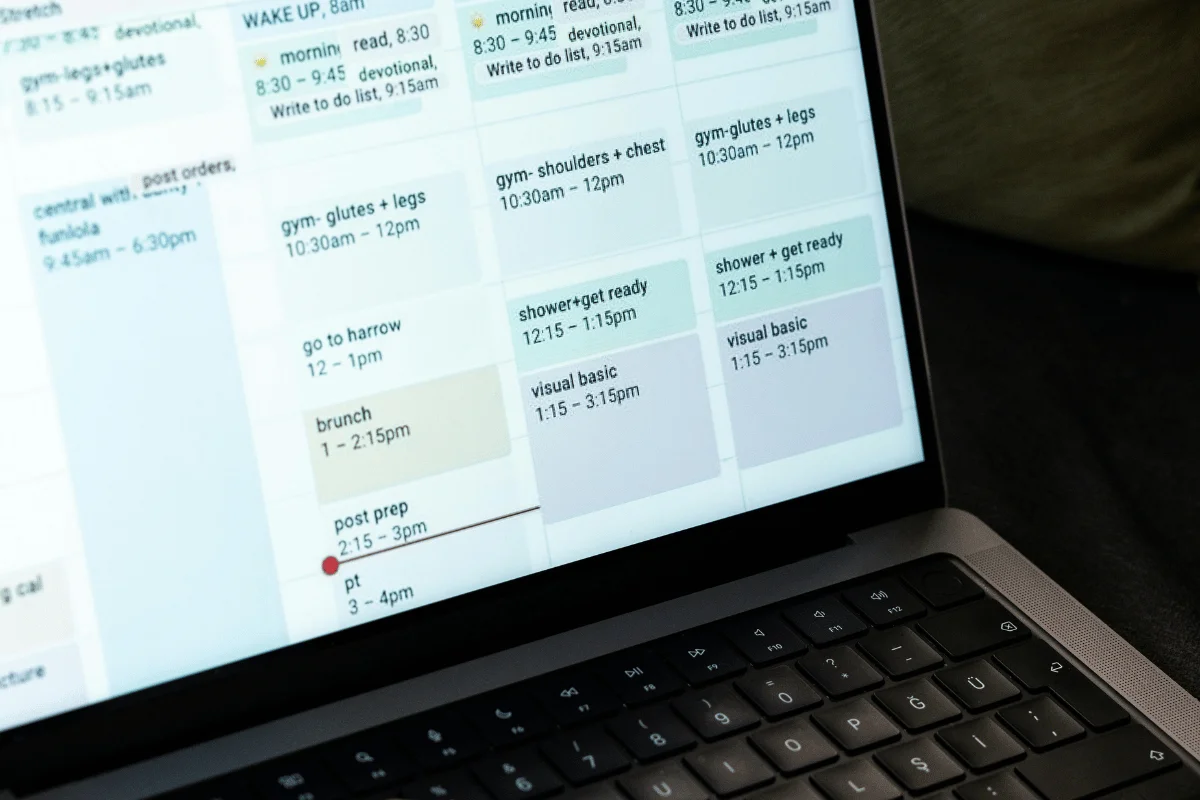
Breakdown of How Remote Executive Assistants Coordinate Travel
As with other projects, end-to-end travel coordination is most effective when it follows a structured, step-by-step process. This ensures that even the least significant tasks don’t fall through the cracks, as they could affect the executive’s travel experience.
Below is a phase-by-phase discussion of how executive travel coordination should happen:
Phase 1: Pre-Trip Planning
The success and quality of the entire trip often depend on this phase. The remote executive assistant should do the following:
- Clarify the purpose of the trip and non-negotiable commitments so they can align travel timelines with the executive’s calendar.
- Refer to the “executives’ Bible” to learn their travel preferences, including airlines, seating, hotel standards, and dietary needs, which they should leverage to deliver high-touch hospitality that reflects the executives’ expectations.
- Identify variables that could result in risks, such as visa requirements, weather conditions, and traffic patterns, so they can use this information to build a contingency plan.
Phase 2: Booking and Confirmation
Hotel and flight bookings may need to go back and forth between the executive and the remote EA.
To avoid such friction, the EA should:
- Schedule flights in advance for convenience, reliability, and alignment with the executive’s itinerary.
- Book hotel rooms close to the executives’ key locations that meet their hospitality standards, as recommended by Reddit user No_Roof811 in a recent thread:
“I do flights first and book based on airport preference and then time of day/direct. My exec doesn’t have an airline preference.
Then I do hotel, trying to always stay near the meetings. If it’s a conference, I always book the rooms at the conference hotel.
If I’m not sure about the hotel, I give 3 options at our budget point, and he picks one.”
- Reconfirm meetings with external stakeholders whom the executive will meet during their travel, including clients, event organizers, and other board members.
Phase 3: Pre-Trip Preparation
In the last week leading up to the trip, remote executive assistants should reconfirm that everything is in order, including:
- Double-checking the flights, hotel room, and ground transportation.
- Organizing all relevant travel documents into a folder for the executive and backing up copies to the cloud as a contingency plan.
- Creating a comprehensive itinerary that includes contact details, directions, and timings that the executive can use on the go. Reddit user OkPlace4 reiterates this point in a thread about executive travel itinerary hacks:
“…Provide a detailed itinerary. Add everything to her/his calendar. Allow for time for travel to and from the airport and block it on the calendar. Provide contact info – the travel agency’s phone; your phone; the travel confirmation number; the airline confirmation number, etc.”
Phase 4: In-Trip Coordination
This is the phase where elite remote executive assistants truly differentiate themselves from other EAs. They monitor everything in the background as their executives proceed with their itinerary, ensuring it is seamless and aligns with expectations.
The most essential tasks in this phase include:
- Tracking upcoming flights for delays or cancellations so they can quickly adjust bookings where necessary.
- Monitoring for unavoidable deviations from the itinerary, such as prolonged meetings and reworking the schedule in real-time, without disrupting the executive’s work rhythm.
- Remaining responsive during their shifts and even being accessible to handle after-hours or urgent requests.
Phase 5: Post-Trip Follow-Up
Elite EAs understand that travel coordination doesn’t end when the executive lands, and close the loop as follows:
- Reconcile travel expenses against the approved budget.
- Process pending travel-related expenses, such as outstanding vendor invoices.
- Update the executive’s Bible to capture any new preferences identified during the trip.
On the executive’s side, they should provide a rolling review of the trip, highlighting what went well and where the EAs can improve during future travel coordination.
Implementing seamless end-to-end travel coordination requires partnering with a remote EA who understands how logistics affect executives’ work rhythm and overall performance.
ProAssisting partners C-suites with remote EAs with at least 5 years of experience supporting busy executives who go on multiple trips throughout the year, and who understand how end-to-end travel coordination impacts their strategic performance. The ProAssistants ensure they are accessible for urgent requests and after-hours support where there are huge time zone differences with the executives.
Schedule a call with ProAssisting today to discover how a remote EA can help streamline travel coordination.
Systems and Tools That Make Travel Coordination Work
Even experienced remote executive assistants need systems and tools to coordinate end-to-end travel effectively. These resources aren’t intended to replace human input but to complement it.
Below are the most essential executive assistant tools and systems for seamless travel coordination:
- Vendor Coordination System: One of the most underutilized systems in executive travel coordination is to create a dedicated email thread or Slack channel to consolidate all inbound and outbound messages for easy tracking and follow-up.
- Executive Travel Preference Profile: Experienced EAs understand the importance of creating a shared living document to regularly update the executive’s travel preferences, helping ensure the next itinerary is better planned than the last.
- Flight Monitoring Platforms: Tools such as FlightAware, Concur, and Google Flight Alerts let users monitor departures, arrivals, and gate changes in real-time, allowing EAs to quickly identify alternatives and reduce the impact of the change on the executive’s schedule.
Reddit user DesertMamaAZ explained how they use the tools to book flights in a recent thread:
“Google Flights is great for viewing flight options, I often print a screenshot of options & ask my boss to circle his choices…Book directly on airline & hotel websites unless your company provides a platform like Concur or a contracted travel agency.”
- Itinerary Management Tools: EAs can use apps such as TripIt Pro or TripActions to consolidate bookings, policies, and travel expenses into a single platform for real-time tracking and decision-making visibility.
- Collaboration Tools: Executive assistants can use platforms such as Google Drive and Notion to create and store documents, such as visa, flight and hotel details, meeting presentations, etc., that the executive will need during their trip.
- Scheduling Tools: Remote executive assistants can use Google Calendar, Microsoft Outlook, or Calendly to embed the executives’ trip and itinerary into their calendar, as explained by Reddit user ameliamirerye in a recent thread:
“You could create a travel calendar on Outlook/Google and add everyone’s travel and color coordinate by person. On each calendar event, you can add the relevant travel details…”
How End-to-End Travel Coordination Changes the Executive Experience
Something fundamental shifts for many executives when they experience a trip where their EAs own, monitor, and manage every logistical detail. It allows the executive to stop being an active participant in their own travel coordination and focus on what actually matters (the trip’s objective).
Here is how end-to-end travel coordination looks in the real world:
- Disruptions Don’t Reach the Executive’s Attention: The EA proactively handles last-minute issues, such as flight delays and cancellations, hotel issues, and late ground transport before they impact the executive’s itinerary.
- Every Trip is Smoother Than the Last: Elite EAs learn their principals’ preferences and treat each travel coordination as a compounding system, identifying what to improve in the future. Reddit user justlikemissamerica shares similar sentiments in a recent thread:
“I know his airline and hotel brand preferences and generally what time he wants to leave to go where, so we build off that. After a while of going to the same places, we have a workflow for each trip…”
- Executives Arrive Ready: A commonly overlooked impact of end-to-end travel coordination is that executives conserve energy otherwise wasted during disorganized trips due to unresolved logistics. This means they arrive at their destination rested, briefed, and in their usual rhythm, as though they were operating from the office.

Frequently Asked Questions (FAQs)
Here are answers to common questions executives ask about remote EAs coordinating travel:
What Experience Should a Remote EA Have for Travel Coordination?
A remote EA should have experience coordinating multi-leg executive travel, especially across time zones, international itinerary logistics, and visa coordination.
Additionally, they should demonstrate how they have previously handled last-minute changes due to unforeseen situations, such as delayed/cancelled flights.
Can a Remote EA Manage Travel for Multiple Executives?
Yes. A remote EA can manage travel for multiple executives, but the client-to-assistant ratio matters.
The fewer the clients the EA manages, the better, because it allows them to learn their executives’ travel preferences and ensure they account for even the micro details that impact the travel experience.
How Far in Advance Should Travel Be Planned by an EA?
There’s no limit to how far in advance an EA should plan the executive’s travel.
However, for pre-decided trips, the rule of thumb is to plan up to three weeks ahead for domestic travel and four to six weeks for international trips. This helps secure better rates and set up a contingency plan for last-minute cancellations.
Should My EA Have Access to My Corporate Credit Card or Travel Accounts to Coordinate Travel?
Yes. An EA can access their executive’s corporate credit card or travel accounts to coordinate travel, eliminating frequent back-and-forth.
However, executives should clearly communicate the boundaries of payments the EA can approve and those it cannot.
Conclusion
End-to-end travel coordination allows the executive to focus on the trip’s main objectives as the remote EA handles logistics such as booking flights, accommodation, and ground transportation. Additionally, experienced EAs use each trip to gain insights into refining future itineraries, gradually improving their executives’ travel experience.
ProAssisting provides seasoned remote executive assistants with experience providing high-level support, including end-to-end travel coordination. The ProAssistants are responsive and accessible to handle the executive’s after-hours requests during the trip.
Schedule a no-obligation call with Ethan Bull, one of the co-founders, to explore the available remote executive assistant support options.