


If you are an executive, public figure, or business owner overwhelmed by daily tasks like scheduling meetings and managing communications, it’s time to hire an executive assistant.
However, you may have concerns about the security of your trade secrets and other sensitive and proprietary information.
In fact, a recent report by the Identity Theft Resource Center (ITRC) showed that 3,158 data compromises were reported over 12 months among big companies.
So, as a principal looking to hire an EA, you may want to know: How do executive assistants manage confidential information?
The answer lies in the workflows and executive assistant tools you implement.
TL;DR – How Do EAs Manage Confidential Information Securely?
Quick Answer: There’s no single way to manage confidential information securely. Past incidents show that executives and principals must integrate security measures into their workflows to control who accesses classified information, and the extent to which they do it.
Key Points:
Executive assistants (EAs) manage restricted information in the following ways:
- Using secure communication channels
- Strong password management protocols
- Physical security measures
- Classifying data
- Ongoing training
These techniques may seem straightforward; however, there is so much more to them than meets the eye.

Why Even Trusted EAs Need Clear Confidentiality Protocols
Confidentiality is a must-have principle for EAs, given their access to sensitive, licensed, and sometimes classified information. Such information often has a significant bearing on an organization’s performance, reputation, and legal compliance.
azwildlotus shared the unspoken rule of being an EA on Reddit: “Trust is everything in this role. Never do anything to violate that trust.”
However, barely expecting all EAs to uphold confidentiality standards would be shortsighted. Executives should provide clear confidentiality guidelines, and for good reasons:
- Building Trust: As an executive, you need to know you can trust your EA before granting them access to sensitive information. Having your EA adhere to confidentiality protocols is the starting point of building and preserving trust, helping you partner with your executive assistant more effectively.
- Clear Structures: Confidentiality protocols provide your EA with a clear framework for handling sensitive material, thereby minimizing the risk of a breach.
- Prevent Complacency: It is human nature to become passive after undertaking a task multiple times until it feels like a routine. Having a standard operating procedure (SOP) for handling sensitive data helps mitigate complacency, dramatically reducing the likelihood of mistakes that contribute to data breaches.
- Harmonious Working Relationship: Confidentiality protocols inform your EA what data you consider sensitive and set expectations about how they should handle it.
- Defining Access: As a high-ranking executive, you have access to information that your subordinates do not. Confidentiality protocols outline who should have access to different types of information. This prevents your EA from making errors, such as sharing proprietary information with the wrong employees.
- Legal and Ethical Compliance: Confidentiality guidelines ensure your EA adheres to these obligations, thereby protecting your organization from lawsuits.

Types of Confidential Information EAs Handle Daily
A strong executive-assistant partnership usually means the EA is handling tasks that have a strategic impact for the principal or company.
This usually means the EA interacts with confidential information relating to the principal, their associates, and family members.
Examples of private data that EAs interact with include:
- Personal Information: Your EA may have access to your personal contact details, family information about your spouse, children, and other relatives, and possibly your medical information, such as allergies, blood type, and medical conditions. They may also have access to other private matters not related to your role within an organization.
- Employee Information: EAs often have access to information about your employees, such as contractual details, pay grades, benefits, and performance review scores. They may also be aware of upcoming recruitment or downsizing plans before the rest of your staff.
For example, Robinsrebels gave this perspective on Reddit on the challenge of knowing about downsizing plans early:
“I’ve been a PA for going on 12 years and still feel a bit of a stomach “drop” moment when I see conversations in the inbox talking terminations/redundancies. It’s not nice, but part of the turf, we have to be neutral.”
- Financial Data: An EA may know about stock holding structures that are not necessarily in the public domain. They will also have access to financial reports and tax details before you publish them.
- Strategic Business Plans: An EA will have access to information relevant to your organization’s future, including documents outlining merger or acquisition plans, product launches, and expansion or relocation plans. In addition, your EA will be aware of the business strategies that are vital to your competitive advantage.
- Travel Plans: Your EA will schedule all your business and sometimes personal travel arrangements. That includes detailed itineraries, such as flight information, hotel bookings, and meeting locations. This means they may be aware of almost all your movements, which is why you need an EA you can trust.
Given the sheer volume and diversity of sensitive information, it is vital to find the right executive assistant who understands the importance of confidentiality in the EA role.
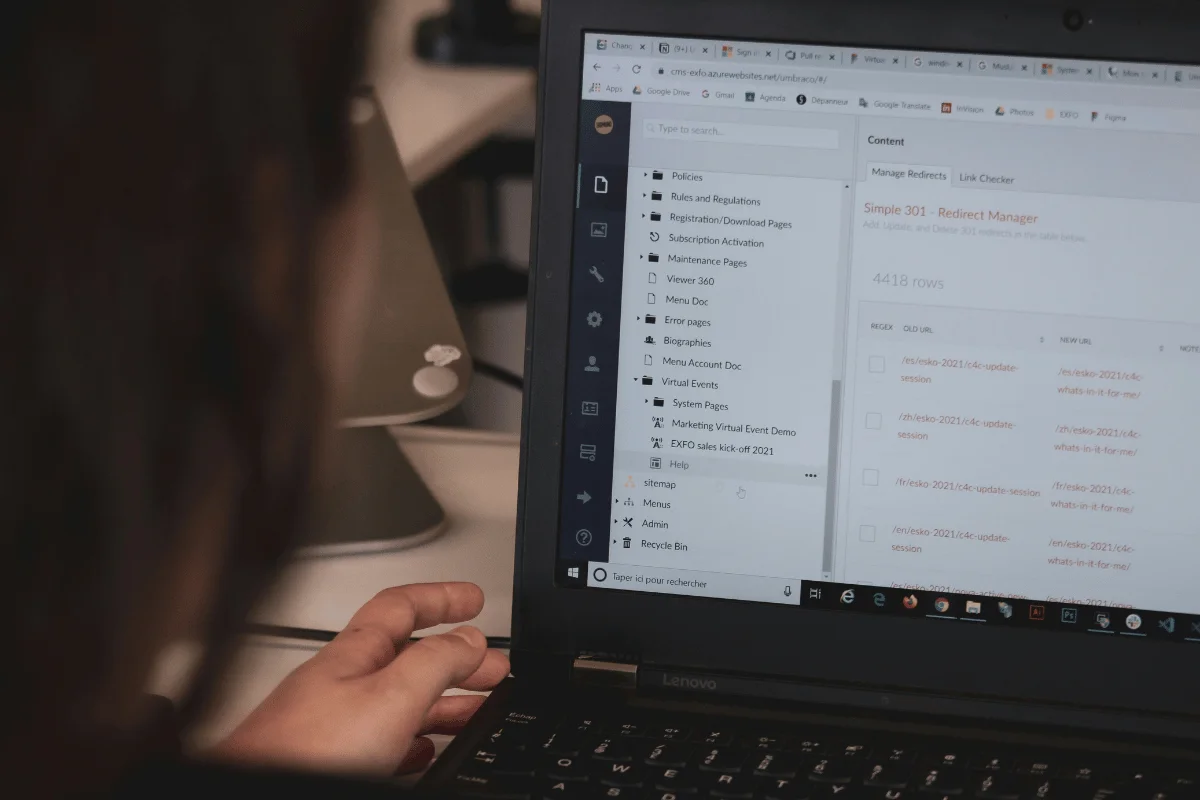
How Executive Assistants Manage Confidential Information Securely
Executive assistants have access to an array of sensitive information. The consequences of mismanaging the information can be disastrous to your organization’s financial position, reputation, and legal standing.
That is why most seasoned EAs implement the following strategies to manage confidential information:
1. Using Secure Communication Channels
As the principal, provide email encryption tools and encrypted messaging platforms that your EA should use to provide a layer of protection against malicious actors who might intercept communications.
Additionally, sensitize your EA to avoid public or unencrypted networks when sharing information; limit file sharing to secure platforms that you have pre-approved.
2. Strong Password Management Protocols
EAs use strong passwords to secure their accounts with access to sensitive information. They also never use the same password for multiple accounts; each account has its own unique password.
In addition, EAs use password management tools to control access credentials, limiting it to authorized personnel.
3. Physical Security Measures
The focus on protecting sensitive information should not be limited to digital systems; it should also include physical security measures. For example, EAs that handle hard copy documents should store them in locked cabinets or a safe.
Other ways EAs secure their physical environment include shredding sensitive documents after meetings and using privacy screens whenever working remotely to avoid unintended leaks.
4. Classifying Data
A common practice among EAs when handling sensitive information is classifying it by level of sensitivity. Very sensitive documents are clearly marked and restricted from unnecessary access.
For example, records related to a merger might use a unique encryption method, whereas an internal memo might require standard encryption protocols.
Data classification is also essential during communication. An EA should label emails containing sensitive information as “CONFIDENTIAL” in the subject line to ensure the recipient takes every precaution to protect the data before opening the email.
5. Ongoing Training
Having the best protocols and security systems in place is futile if an EA does not understand how to utilize them effectively.
That is why any seasoned EA knows it is vital to stay up to date through regular training to understand advancements in security practices and the new techniques malicious actors might use to exploit vulnerabilities.
Being a 2025 Inc. 5000 company ranked No. 2,466, ProAssisting maintains high standards by training its EAs how to manage confidential information effectively and securely. ProAssisting vets its EA candidates rigorously, with less than 5% of the applicants meeting the criteria. Also, their EA service maintains a 3:1 executive to assistant ratio, reducing the risk of information crossover.
Learn about ProAssisting’s confidentiality protocols. Book a one-on-one call today.

Common Ways Confidentiality Gets Breached
Protecting restricted data is becoming increasingly challenging as bad actors find new ways of exploiting structural weaknesses in data protection measures.
This means that despite companies’ and employees’ best efforts to protect data, breaches still occur.
Some of the common ways your confidentiality may be breached include:
- Accidental Leaks: The most common way confidentiality gets breached is through human error. Examples include your EA sending an email to the wrong person, leaving sensitive documents unattended, losing a flash drive containing sensitive information, or failing to lock their computer when away from the desk.
- Weak Security Tools: Not having data encryption, weak password management, or no data backup systems in place are sure ways to be breached.
- Outdated Software: Failure to adhere to device and software update recommendations and implement critical security patches can increase your organization’s vulnerabilities and expose you to exploitation.
- Using Unsecure Networks: If your EA accesses sensitive documents over unsecure public networks in places such as hotels, cafes, and airports without a secure VPN, then your confidentiality is likely to be breached.
- Intentional Disclosure: On rare occasions, an EA may maliciously disclose sensitive information to third parties, such as your competitors.
- Unauthorised Access: If your EA shares an office space or works remotely, they may inadvertently grant others in their vicinity access to confidential information.
- Social Engineering Attacks: These are manipulative techniques used by bad actors to exploit human errors and gain access to private information. An example is phishing attacks, where a hacker impersonates an executive to extract sensitive information from the EA.

Minimizing Risk When Sharing Confidential Data with Your EA
According to the Harvard Business Review, there was a 20% increase in confidentiality breaches from 2022 to 2023. The report also noted that close to 60% of businesses reported at least one successful data breach in 2023.
Many of these breaches are attributable to human error, highlighting the importance of EAs following strict confidentiality protocols.
Such measures primarily focus on establishing trust with your EA, establishing clear protocols, and investing in secure technology. Let’s explore further:
- Limit Access: The only information your EA should have access to is what is necessary for them to complete their tasks. To achieve this, use the principle of least privilege, granting users only the minimum permissions required.
- Use Secure Communication and Sharing Methods: When communicating with your EA, use secure communication channels, such as end-to-end encrypted applications. You should also use platforms that provide encryption and authentication when sharing sensitive files, such as password-protected PDFs.
- Have them Sign A Strong Non-Disclosure Agreement (NDA): Ensure your EA signs a legally binding NDA that clearly defines sensitive and restricted information, outlines access, and also stipulates the hefty repercussions of unauthorized disclosure.
- Conduct Training: Part of onboarding an executive assistant should include training them on emerging security risks and methods for identifying potential threats, such as phishing scams.
- Implement a Clean Desk Policy: Make it mandatory for your EA to store all physical documents in lockable cabinets and digital documents in secure storage whenever they are away from their workspace or at the end of the day.
- Build Trust: Communicate your expectations for your EA regarding confidentiality and security protocols, and offer reassurances when appropriate.

Frequently Asked Questions (FAQs)
Here are answers to common questions regarding executive assistants and confidentiality:
Is It Safe for Executive Assistants to Access Personal Accounts?
Yes. It is safe for executive assistants to access personal accounts. But it is generally advisable to minimize your executive assistant’s access to your personal accounts.
However, if they need access, ensure you implement appropriate security protocols, such as multi-factor authentication. You should also ensure they can only make transfers to approved accounts.
Are Shared Assistants a Security Risk for Proprietary Data?
Though there may be perceived risks when working with shared or fractional assistants, such risks are also present among other employees.
Therefore, once you have clear confidentiality protocols in place and your fractional executive assistant signs an NDA, the risk reduces significantly.
What Role Does Emotional Intelligence Play in Confidentiality?
General intelligence plays a crucial role in maintaining confidentiality.
On the other hand, emotional intelligence plays a vital complementary role, enabling your EA to read situations more effectively, understand when to keep information private, and how to alert the principal that there may be a breach without causing alarm.
What Happens Immediately If a Data Breach or Security Incident Occurs?
In the event of a data breach, your EA should implement the organization’s incident response plan, which may involve containing the breach, isolating affected systems, and notifying the relevant stakeholders.
Conclusion
Executive Assistants play a vital role in managing classified information by serving as buffers or gatekeepers. Therefore, it is crucial to find an EA that you can trust.
At ProAssisting, EAs understand the importance of confidentiality and the consequences of breaching trust. This stems from 5+ years of experience supporting executives at global companies like J.Crew, Fidelity, and JPMorgan Chase. Schedule a free consultation to learn how ProAssistants can provide high-level EA support while also upholding utmost confidentiality.