


Most COOs are drowning in operational details.
If you’re a COO looking for someone who can handle the chaos that comes with running day-to-day operations, you need more than just another admin. You need an executive assistant.
What are the main responsibilities of an executive assistant to a COO? Or how can they help you in your operational warfare?
They’re the single point of contact who keeps operations flowing, manages complex projects, and gives you time back to focus on strategy instead of scheduling.
TL;DR – Key Responsibilities of an Executive Assistant to a COO
An executive assistant to the COO serves as the operational backbone of the C-suite.
Here’s what they handle on a daily basis:
- Manage complex calendars and coordinate cross-departmental meetings
- Serve as liaison between COO and department heads
- Oversee operational projects from kickoff to completion
- Handle confidential financial documents and budget tracking
- Prepare reports, presentations, and board materials
- Screen communications and prioritize urgent matters
- Coordinate company-wide initiatives and policy implementation
- Monitor progress on strategic objectives and flag bottlenecks
The role demands someone who can think three steps ahead while juggling ten priorities at once.
Why COOs Need More Than Administrative Support
A COO oversees every moving part of a company. They’re responsible for operations, processes, people, and performance. That’s not a job for one person.
According to recent job market data, 77% of employers plan to upskill staff with new capabilities by 2030. The COO’s executive assistant needs to operate at that elevated level from day one.
The COO touches every department. Sales, marketing, finance, HR, operations. An executive assistant to the COO needs a holistic view of how all these pieces connect.
Some say the scope is even more extensive than what an executive assistant to the CEO handles because COOs live in the operational details across every function.
When the VP of Sales needs budget approval or operations hits a bottleneck, the COO’s EA connects the dots.
Most administrative assistants handle tasks. Executive assistants to chief operating officers handle complexity.
The COO can’t be in two places at once. Their EA becomes an extension of them, representing the COO in certain meetings and making judgment calls on priorities.
What Defines a Great Executive Assistant to a COO
The best COO executive assistant has both hard skills and soft skills working at full capacity.
- Emotional Intelligence That Reads the Room: A great EA understands situational awareness. They know when the COO needs space before a board meeting and which emails need immediate attention.
- Trust That’s Earned Through Consistency: The COO hands over credit card information, social security number, and access to confidential financial data. That trust comes from doing small things right, consistently, over time. After six months of zero mistakes, the COO starts delegating bigger responsibilities.
- The Ability to Translate and Buffer: An executive assistant to the chief operating officer serves as a translator between the C-suite and everyone else. They also buffer the COO from unnecessary noise. Not every issue needs to reach the COO’s desk.
- Proactive Problem-Solving: A great COO EA anticipates needs before they become requests. If the COO has a quarterly business review in six weeks, the EA starts gathering data four weeks out.
The executive assistant community agrees on these points.
u/Brooklyn_5883 notes in r/ExecutiveAssistants, understanding your boss is everything: “Their preferences, their communication style, what they think is important. Projects that matter to them. Figure out how you can make their day easier.”
u/jessavsara puts it: “BE PROACTIVE. Don’t wait for them to ask you for things that you can sense ahead of time. Stay on top of their calendar and plan ahead for meetings, lunches, etc. without them having to ask.“
u/Passionabsorber1111 shares advice from their CCO: “Look at their calendar and ask them what materials can be prepared in lieu of important meetings. Keep track of their projects and anticipate them needing to speak with someone or needing material in order to meet their deadline.”

Main Responsibilities of a COO’s Executive Assistant
The day-to-day work of an executive assistant to the COO breaks down into five major performance areas.
Calendar Management and Meeting Coordination
This goes way beyond “find a time that works.”
A COO’s calendar is a chessboard. Every meeting needs proper setup, the right attendees, and enough buffer time to prepare.
The EA needs to know:
- Which meetings can be delegated to department heads
- When the COO needs prep time before calls
- How long certain types of meetings actually take versus how long they’re scheduled for
- What time of day is the COO sharpest for critical decisions
For example, an EA might notice their COO is constantly running late to afternoon meetings because morning sessions always run over.
The solution? Adding 15-minute buffers between morning blocks to account for the reality of how meetings actually run.
Project Management Across Departments
COOs oversee company-wide initiatives. New software implementations, office relocations, process overhauls, policy changes, etc. The EA often serves as project manager for these efforts.
That means:
- Creating timelines and tracking milestones
- Coordinating with multiple department heads
- Following up on deliverables
- Flagging delays before they become problems
- Managing vendor relationships
- Keeping the COO updated on progress without overwhelming them with details
Recent data shows that project management is now among the top requested skills in EA job postings, particularly for COO support roles.
Most EAs also recognize project management as a natural career progression.
As u/littlecocorose notes in discussions about EA career transitions, “I’d look at PM roles. If anything, it’s a quick certificate program, but I know several admins who have just straight took their development that direction.“
u/gigiwidget shares: “My title is Manager, Special Projects & Executive Assistant. Which is really no different than any EA role I’ve ever had. I’ve always managed projects. I think Project Manager is a good transition.”
The reality is that many executive assistants to COOs are already functioning as project managers. They’re just not always getting the title or recognition for it.
Communication Hub for Operations
The COO’s EA becomes the central point of contact for operational questions. They screen emails, route requests, and determine what needs immediate attention versus what can wait.
They also draft communications on behalf of the COO. Policy updates, operational changes, meeting summaries, and related items.
These need to be clear, accurate, and aligned with the COO’s communication style.
Financial and Budget Coordination
Many EAs to COOs handle budget tracking, expense reports, and financial documentation.
They’re not making financial decisions, but they’re monitoring spending, flagging anomalies, and ensuring compliance with company policies.
Strategic Support and Initiative Tracking
The COO focuses on execution. Their EA helps track whether those executions are actually happening.
They monitor progress against quarterly objectives, track KPIs, conduct research, and prepare presentations for leadership meetings.
How to Hire the Right Executive Assistant
We’ve seen an executive chew through 13 EAs in twelve months (no joke). We’ve also hired (and fired) many EAs and built a business around it.
Most executives hire the wrong EA, then blame the role instead of their process. Finding the right EA for a COO role takes more than posting on Indeed.
Here’s how anyone can find and hire a 10X EA on the first try:
- Map Out Your Needs: Before you write the job posting, list the tasks you consistently put off. Identify where you’re the bottleneck. Be honest about what you don’t want to do. This clarity prevents hiring someone for the wrong role.
- Screen Smarter: Look beyond resumes. Pull up their LinkedIn profile and compare it to what they sent you. If things don’t match up, that’s carelessness. Look for candidates whose responsibilities have grown over time. Great EAs invest in their skills through EA communities and certifications.
- Watch for Red Flags: Check their professional online presence. How do they write emails? Any short job stints they can’t explain? These details show you how they’ll represent you to your clients and team.
- Interview for EQ: Ask about time management challenges: “How did you handle an overlapping schedule crisis?” Probe gatekeeper experience: “How did you handle situations where senior leadership wanted to see your executive without an appointment?” Request crisis management examples: “Tell me about a problem you solved independently.”
- Test With Scenarios: Present real situations: “My flight’s canceled, two board meetings overlap, and a crisis is brewing. What’s your plan?” Do they just reschedule, or do they propose a better system for next time?
- Check Cultural Fit: Involve your team. Have the candidate meet your direct reports and team members. Schedule a breakfast or lunch meeting. Office interviews create psychological barriers. A shared meal removes them and reveals who they really are.
- Trust Your Instincts: If something feels off, it probably is. Red flags are often subtle but significant. That little voice in your head is usually right. The cost of a bad hire far exceeds the time spent finding the right one.
- Part Ways Politely: Before firing, consider if they lacked proper training. Be direct but humane: “We’re not the right fit.” Offer constructive feedback on what they can do to improve.
Most importantly, pay your EA what they deserve to get the best out of them.
u/redthoughtful notes in discussions about finding quality EAs, realistic expectations matter: “If you want $85,000 talent at $43,000, you’re not going to get many candidates unless someone is desperate to leave a bad exec.“
u/mizlurksalot shares a shortcut way to find a good EA: “Hit up your network also, no one knows a good EA like someone who has one. Let your contacts know you’re looking and if they know a great EA who might be ready to make a change, to put them in touch with you.“
How Pro-Level Executive Assistants Navigate COO Demands
COOs face unique operational pressures. At ProAssisting, our executive assistants handle these demands through what we call the five performance multipliers.
- Business Partner: Your ProAssistant weighs in on operational decisions, from vendor selection to process improvements. They understand your objectives and can provide a different perspective when you’re evaluating options.
- Chief of Staff: They become your single point of contact for department heads, facilitate information flow across teams, and represent you in meetings when you can’t attend. This prevents you from becoming the bottleneck.
- Project Manager: When you’re rolling out new software, relocating offices, or implementing company-wide policy changes, your ProAssistant manages timelines, coordinates with multiple departments, and keeps you updated without overwhelming you with details.
- Assistant/Scheduler: They protect your calendar like it’s their own, build in buffer time based on your productivity rhythms, and ensure you have prep materials before every meeting. They know which meetings to delegate and when you need thinking time.
- Personal Assistant: Operations don’t stop bleeding into personal life. Your ProAssistant handles everything from scheduling doctor appointments to coordinating family travel, freeing you to focus on running the company.
Want to learn more? Download a free copy of The 29-Hour Work Day, where Ethan Bull and Stephanie Bull dive deeper into hiring and managing high-level EAs.
Or let ProAssisting match you with a fractional EA and skip the hiring drama entirely. Not every COO needs a full-time EA. Fractional support brings full-time expertise at part-time cost.

Frequently Asked Questions (FAQs)
Here are answers to the most common questions about executive assistants supporting COOs.
What’s the Difference Between a Chief of Staff and a COO’s EA?
A chief of staff is a strategic role focused on long-term planning and acting as a thought partner to the CEO. They lead strategic initiatives and represent the executive in decision-making.
An executive assistant to the COO focuses on operational execution and coordination. They make sure things happen, projects stay on track, and the COO can focus on strategy instead of logistics.
Some larger organizations have both roles supporting the same executive.
How Much Discretion Does a COO’s EA Typically Have?
It depends on trust and time. In the first few months, your EA will ask before making decisions, but after a year of consistent performance, they’ll know you well enough to make calls you would make.
Is Calendar Management Different When Supporting a COO?
Yes. The COO coordinates with every department, which means balancing requests from sales, marketing, finance, HR, and operations while managing board obligations and external commitments.
The EA needs to understand which meetings to delegate, how much prep time the COO needs, and when to protect time for strategic thinking versus operational execution.
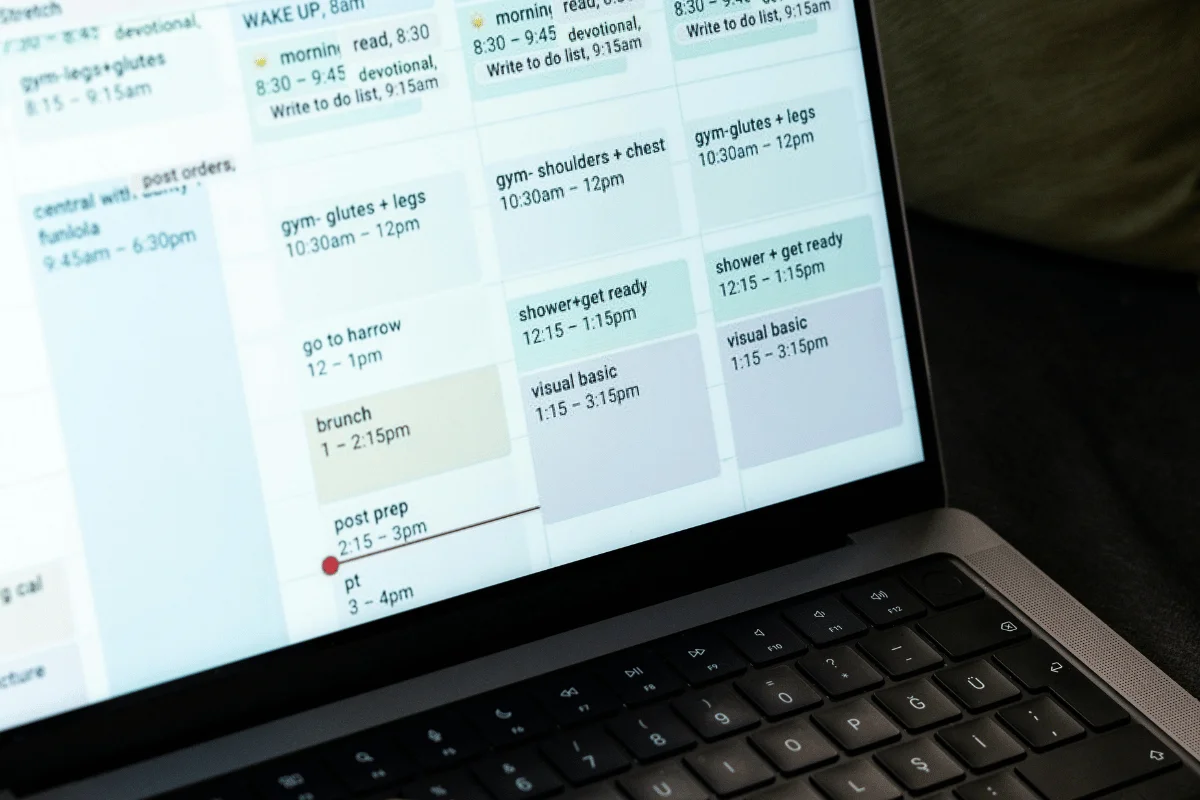
Your EA might create a color-coded system for your calendar that shows at a glance if your week is balanced or needs adjustment.
Can a Fractional Executive Assistant Support a COO Effectively?
Absolutely. Fractional support for CEOs or COOs often works better than full-time in-house assistants. You get senior-level expertise at a third of the cost with no equipment expenses or benefits to pay.
Fractional EAs focus on outcomes and scale with your needs, so you only pay for what you actually use.
Conclusion
Every day without the right EA costs you hours you’ll never get back. While other COOs delegate operations to trusted ProAssistants, you’re still stuck in the weeds.
ProAssisting has spent 7 years perfecting fractional executive support for COOs. We’re extremely selective, accepting less than 5% of applicants. We only partner you with EAs who bring 5+ years of experience in supporting executives at brands like J.Crew, Fidelity, Oracle, and NBC Sports.
Featured in Inc., Forbes, and USA Today, we deliver full-time expertise at 50-80% of the cost with no long-term commitment.
Stop being the bottleneck. Schedule your free consultation and get matched with a ProAssistant who starts making an impact from day one.